


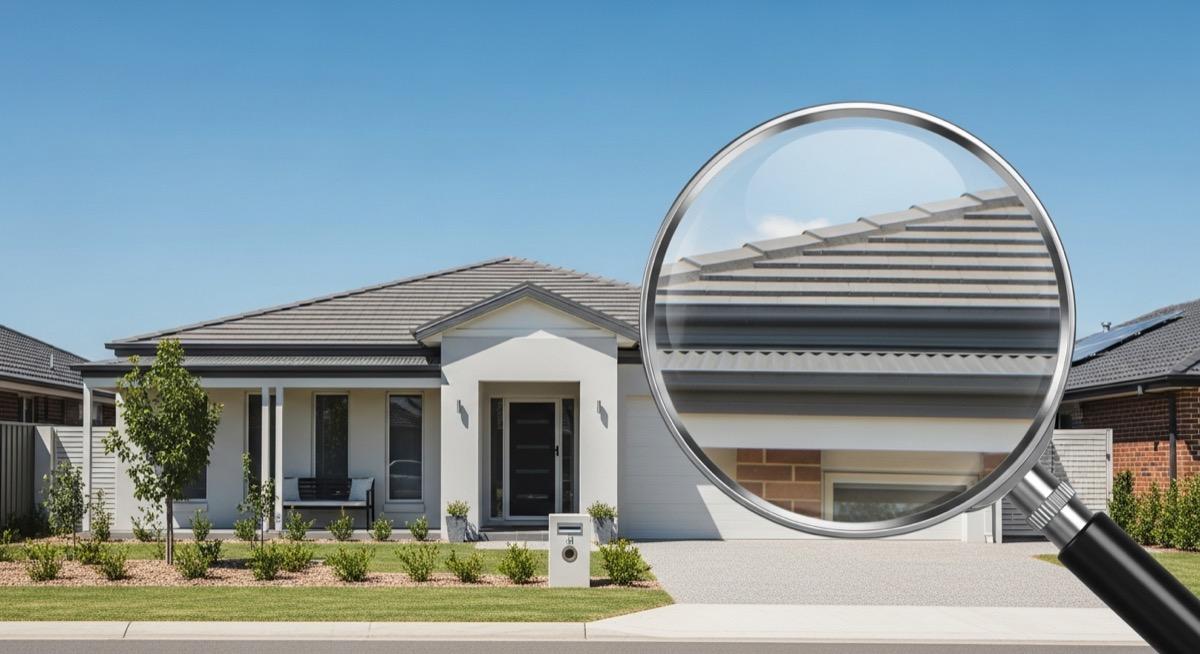
Property Due Diligence Checklist for Australian Investors in 2026: Every Step from Suburb Research to Settlement
Buying an investment property without proper due diligence is like signing a contract without reading it. You might get lucky, but the odds are not in your favour. In Australia's 2026 market â where interest rates, lending rules, and state regulations have all shifted in the past 24 months â a structured due diligence process is not optional. It is the difference between a wealth-building asset and an expensive mistake.
This guide walks through every step of property due diligence, from initial suburb screening through to pre-settlement checks. Whether you are buying your first investment property or your fifth, having a repeatable checklist ensures nothing falls through the cracks.
Key Takeaways
- Property due diligence has three phases: suburb research, property-specific analysis, and legal/financial verification
- Suburb-level data â population growth, vacancy rates, supply pipeline â should be assessed before you even look at individual properties
- Building and pest inspections, strata reports, and title searches are non-negotiable for every purchase
- Financial modelling must account for realistic vacancy, maintenance, and rate assumptions â not best-case scenarios
- Picki data shows investors who complete structured due diligence across all three phases are significantly less likely to purchase in suburbs that underperform over 5 years
Phase 1: Suburb-Level Due Diligence
Before you look at a single property listing, you need to determine whether the suburb itself is worth investing in. A beautifully renovated house in a fundamentally weak market is still a poor investment. Suburb selection accounts for the majority of your long-term returns.
Step 1: Define Your Investment Criteria
Start by establishing what you are optimising for. The answer shapes everything that follows:
- Capital growth: Prioritise suburbs with strong population growth, limited new supply, diverse employment, and historical price appreciation above the national average.
- Cash flow: Prioritise suburbs with high rental yields, low vacancy, and affordable entry points relative to rental income. See our guide on capital growth versus cash flow strategies for a deeper comparison.
- Balanced: Look for suburbs that score above average on both growth and yield metrics without excelling at either. These are often the most resilient through market cycles.
Your budget, borrowing capacity, and tax position will also constrain your options. An investor on a marginal tax rate of 45% benefits more from negative gearing strategies than one on 32.5%, which affects whether you should prioritise growth (and accept lower yield) or cash flow.
Step 2: Screen Suburbs Using Data
With your criteria defined, screen suburbs systematically. At minimum, assess these metrics for every suburb on your shortlist:
Population and demographic trends: Is the suburb growing? What demographic is moving in? Suburbs attracting working-age professionals with above-median household incomes tend to see the strongest demand. Picki's population metrics break this down by age, income, and household composition.
Vacancy rates: A vacancy rate below 2% in April 2026 indicates a tight rental market where finding tenants is straightforward and rental growth is likely. Above 3% suggests tenant oversupply and potential downward pressure on rents. Check our analysis of Australia's tightest rental markets for current data.
Supply pipeline: How many new dwellings are approved or under construction? A large pipeline relative to existing stock can suppress both rental and price growth. This is particularly relevant in growth corridors like Tarneit or Point Cook where new estates continuously add supply.
Employment diversity: Suburbs dependent on a single employer or industry carry concentration risk. Look for suburbs near multiple employment nodes, hospitals, universities, and transport hubs. Blacktown in Western Sydney is a strong example â its proximity to diverse employment sources underpins resilient demand.
Rental yield: Compare gross and net yields across your shortlist. Remember that gross yield ignores costs like council rates, insurance, strata fees, and maintenance. Net yield is the figure that affects your bank account.
Step 3: Assess Local Council and Zoning
Council regulations significantly affect what you can do with a property and what might be built around it. Check:
- Zoning: Is the property in a residential zone that permits your intended use? If you plan to add a granny flat or subdivide, confirm the zoning allows it.
- Planned infrastructure: Check the council's local strategic planning statement for planned roads, transport links, schools, or hospitals. These can be powerful demand catalysts.
- Heritage overlays: Heritage restrictions can limit renovation potential but also restrict new supply, which supports prices in the long term.
- Flood and bushfire mapping: Council flood maps and bushfire attack level (BAL) ratings affect insurance costs, building requirements, and resale values. Picki's climate risk assessment flags suburbs with elevated exposure to these factors.
Phase 2: Property-Specific Due Diligence
Once you have identified a suburb and found a property that fits your criteria, the due diligence shifts from market-level to asset-level analysis.
Step 4: Financial Modelling
Before inspecting the property in person, run the numbers. Accurate financial modelling prevents emotional decision-making at open homes.
Purchase costs: Stamp duty (which varies by state and property value), legal/conveyancing fees ($1,500-$3,000), building and pest inspection ($500-$800), and loan establishment fees. In April 2026, stamp duty on a $600,000 investment property ranges from approximately $13,000 in Queensland to $23,000 in New South Wales.
Ongoing costs: Council rates, water rates, landlord insurance, property management fees (typically 6-8% of rent plus GST), maintenance allowance (budget 1-2% of property value annually), and strata fees if applicable.
Cash flow projections: Model three scenarios â base case (2 weeks vacancy per year, current interest rates), downside case (6 weeks vacancy, rates 0.5% higher), and upside case (0 vacancy, rates 0.25% lower). If the downside scenario creates unmanageable negative cash flow, the property may be too risky for your financial position. Our guide on understanding property cashflow calculations explains the methodology in detail.
Tax implications: Model the impact of depreciation deductions, negative gearing benefits, and capital gains tax on your projected after-tax return. Newer properties typically offer higher depreciation, while older properties may have better land-to-asset ratios supporting capital growth.
Step 5: Building and Pest Inspection
This is non-negotiable. Every investment property purchase should include a professional building and pest inspection, regardless of how good the property looks. A qualified inspector will identify:
- Structural defects (cracking, subsidence, roof issues)
- Water damage and drainage problems
- Termite activity or damage
- Asbestos presence (common in properties built before 1990)
- Non-compliant building work
- Electrical and plumbing condition
Cost: $500-$800 for a combined building and pest inspection. This is the best insurance policy in property investing. A single missed structural issue can cost tens of thousands to remediate.
Tip: Attend the inspection in person if possible. Inspectors share more detail verbally than they include in written reports, and you can ask follow-up questions on the spot.
Step 6: Strata Report (Units and Townhouses)
If you are purchasing a strata-titled property (apartment, unit, or townhouse), order a strata report. This reveals:
- Sinking fund balance: Is the owners corporation financially healthy? A low sinking fund relative to the building's age suggests future special levies are likely.
- Special levies: Are any special levies planned or in progress? A $20,000 special levy for building remediation changes your investment returns significantly.
- Meeting minutes: Review the last 2-3 years of meeting minutes. They reveal ongoing disputes, maintenance issues, and the general tone of the owners corporation.
- By-laws: Some by-laws restrict short-term letting, pet ownership, or renovation â all of which can affect your strategy.
Cost: $200-$400 depending on the state and report provider. For a comprehensive guide, see our article on strata fees and body corporate costs.
Step 7: Title Search and Encumbrances
Your conveyancer or solicitor will conduct a title search, but you should understand what they are looking for:
- Easements: Rights for utilities, drainage, or access across the property. Some easements are benign; others significantly restrict what you can build.
- Caveats: Third-party claims on the property that must be resolved before settlement.
- Covenants: Restrictions on land use, building materials, or property modifications. Common in newer estates.
- Encroachments: Structures that cross boundary lines â either yours onto a neighbour's land or vice versa.
Step 8: Comparable Sales Analysis
Verify the asking price or your intended offer against recent comparable sales. Look at properties sold in the last 6 months within the same suburb that match on:
- Dwelling type (house, unit, townhouse)
- Bedroom and bathroom count
- Land size (for houses)
- Building age and condition
- Distance to amenities
Picki data shows that median prices can be misleading because they are affected by the mix of properties sold in any given period. A comparable sales approach gives you a more accurate picture of what your specific property type is worth.
Step 9: Rental Appraisal
Get a rental appraisal from two or three local property managers before you buy â not after. This tells you whether the rental income assumptions in your financial model are realistic. Property managers can also advise on:
- Typical vacancy periods for the area and property type
- Tenant demographics (families, professionals, students)
- Any features that significantly affect rentability (parking, air conditioning, outdoor space)
- Seasonal rental demand patterns
Compare the rental appraisals against Picki's rental income estimates to cross-validate. If there is a significant discrepancy, investigate why.
Phase 3: Legal and Financial Verification
Step 10: Contract Review
Have your solicitor or conveyancer review the contract of sale before you sign anything. Key elements to verify:
- Special conditions: Ensure the contract includes subject-to-finance and subject-to-building-inspection clauses (in states where these are not automatic).
- Settlement period: Standard is 30-90 days, but ensure it aligns with your finance approval timeline.
- Inclusions and exclusions: Confirm what fixtures and chattels are included in the sale.
- Vendor disclosure: In most states, vendors must disclose known defects. Review these disclosures carefully.
Step 11: Finance Approval
If you have pre-approval, confirm it covers the specific property you are purchasing. Lenders may decline to finance certain property types (very small apartments under 40 square metres, properties in postcode-restricted areas, or properties with unusual features).
Key finance checks:
- Confirm your pre-approval is still current (typically valid for 90 days)
- Request formal approval before the finance clause expires
- Ensure the lender's valuation matches your purchase price (a low valuation may require you to contribute additional equity)
- Compare interest-only versus principal-and-interest repayment options for your cash flow strategy
Step 12: Insurance
Arrange landlord insurance before settlement. Standard landlord insurance covers:
- Building damage (fire, storm, flood â check exclusions)
- Loss of rent (typically up to 52 weeks)
- Tenant damage (malicious and accidental, subject to limits)
- Legal liability
Cost varies by property type, location, and cover level, but budget $1,200-$2,500 annually. Properties in flood or cyclone zones â check Picki's climate risk ratings â will attract higher premiums and may have specific exclusions. Suburbs like Kirwan in North Queensland face cyclone risk that directly affects insurance costs.
Phase 4: Pre-Settlement and Ongoing
Step 13: Pre-Settlement Inspection
Conduct a pre-settlement inspection within 5 days of settlement. Confirm:
- The property is in the same condition as when you signed the contract
- All included fixtures and chattels are present
- No new damage has occurred
- The property is vacant (unless purchasing with a tenant in place)
Step 14: Post-Settlement Setup
After settlement, move quickly on:
- Appoint a property manager (if not already done)
- Transfer utilities to your name or the property manager's trust account
- Arrange a depreciation schedule from a qualified quantity surveyor (this can add thousands in annual tax deductions)
- Set up a dedicated bank account or offset account for rental income and expenses
- File the appropriate paperwork with the ATO for PAYG withholding variation if the property is negatively geared
The Complete Due Diligence Checklist
Here is the full checklist consolidated. Print it, save it, and tick off each item for every property you seriously consider:
Suburb Level:
- ☐ Investment criteria defined (growth/cashflow/balanced)
- ☐ Population and demographic trends assessed
- ☐ Vacancy rate checked (target: under 2%)
- ☐ Supply pipeline reviewed (building approvals, new developments)
- ☐ Employment diversity and economic base evaluated
- ☐ Rental yield calculated (gross and net)
- ☐ Council zoning and planning confirmed
- ☐ Flood, bushfire, and climate risk reviewed
Property Level:
- ☐ Financial model completed (three scenarios)
- ☐ Building and pest inspection conducted
- ☐ Strata report obtained (if applicable)
- ☐ Title search completed
- ☐ Comparable sales analysed
- ☐ Rental appraisal obtained (2-3 agents)
Legal and Financial:
- ☐ Contract reviewed by solicitor/conveyancer
- ☐ Finance formally approved
- ☐ Landlord insurance arranged
- ☐ Pre-settlement inspection completed
- ☐ Post-settlement setup completed (property manager, utilities, depreciation schedule)
Frequently Asked Questions
How much does property due diligence cost in Australia in 2026?
Budget approximately $2,000-$4,000 for the due diligence process on a typical investment property in April 2026. This includes building and pest inspection ($500-$800), strata report if applicable ($200-$400), conveyancing review ($1,500-$3,000), and title search fees ($20-$50). This is a small fraction of the purchase price and protects against issues that could cost tens of thousands to resolve. Research costs â such as using Picki's data platform to screen suburbs â are additional but help ensure you are investigating the right properties in the first place.
Can I skip the building inspection for a brand new property?
No. New properties can have defects. In fact, building defects in new apartments and houses have been a significant issue in Australia, with the NSW Building Commissioner identifying defects in a majority of new strata buildings inspected since 2020. A building inspection on a new property checks for construction quality, compliance with approved plans, and defects covered by statutory warranties. The cost is the same as for an older property, and the potential savings from identifying defects during the warranty period are substantial.
How long does the due diligence process take?
From shortlisting a suburb to being ready to make an offer, thorough due diligence typically takes 2-4 weeks. Suburb-level research can be done in a few days using platforms like Picki. Property-specific checks (inspections, strata reports, contract review) take 1-2 weeks depending on availability of inspectors and how quickly vendors provide documentation. Do not rush this process â the cooling-off period in most states is only 5 business days (and does not apply at auction), so ideally you complete most due diligence before making an offer.
What are the biggest red flags in property due diligence?
The five most common red flags that should make you reconsider a purchase are: (1) structural defects identified in the building inspection, particularly cracking, subsidence, or water ingress; (2) a strata sinking fund that is significantly underfunded relative to the building's age and condition; (3) vacancy rates above 4% in the suburb, indicating soft rental demand; (4) the vendor refusing to provide access for inspections or withholding documentation; and (5) a large development pipeline that will add significant new supply to the area within 12-24 months. Any one of these warrants serious reconsideration; two or more together should be a dealbreaker.
Should I do due diligence differently for houses versus apartments?
The core process is the same, but apartments require additional steps. Strata reports are essential for apartments but not applicable to freestanding houses. For apartments, you also need to assess the building's age, construction quality, and any history of building defects or remediation work. Houses, units, and townhouses perform differently as investments, so your financial modelling assumptions (particularly around capital growth rates and maintenance costs) should reflect the dwelling type. Houses generally offer better land-to-asset ratios and capital growth, while apartments may provide higher yields but face greater supply competition.
Due diligence is not glamorous. It does not get your heart racing the way inspecting a beautifully staged property does. But it is the process that separates successful property investors from those who learn expensive lessons. Take the time, follow the checklist, and let the data guide your decisions. Start your suburb research on Picki to access the data you need for Phase 1 of your due diligence.